Florida is uniquely tough on garage doors. Between relentless heat, high humidity, intense UV, salt in the air, and a hurricane season that runs half the year, a door that might last decades in a milder climate can corrode, warp, or fail here far sooner. Whether you’re in Clermont, Windermere, or anywhere across Central Florida, choosing the right door up front saves you money and headaches down the road. Here’s what actually matters.
What Florida’s Climate Does to a Garage Door
Understanding the enemy makes the buying decision easier. In our climate, a garage door faces:
- Heat. An attached garage can push well past 100°F in summer. That heat degrades weather seals, can warp thinner panels, and bakes low-grade finishes.
- Humidity. Constant moisture rusts uncoated steel components and encourages rot and mold on natural wood.
- UV exposure. Strong year-round sun fades and chalks paint and lower-quality finishes.
- Salt air. Closer to the coast, airborne salt dramatically accelerates corrosion on hardware and hinges.
- Storms. High winds and flying debris put enormous pressure on the largest opening in your home.
Wind Ratings and the Florida Building Code
This is the part homeowners most often overlook. Your garage door is the single largest opening in your house, and in a storm it’s a critical structural component. If a door blows in, wind rushes into the home, pressurizes it from the inside, and can push the roof off. That’s why the Florida Building Code sets wind-load — or “design pressure” — requirements for garage doors.
The strictest rules apply in the High-Velocity Hurricane Zones of Miami-Dade and Broward counties, but Central Florida counties carry wind-load requirements too. When you shop, look for a door with a Florida Product Approval and a design-pressure rating appropriate for your address. Exact requirements vary by location, so the safest move is to have a licensed contractor confirm what your specific home needs before you buy.
The Best Door Materials for Florida
No single material wins for everyone, but some hold up in our climate much better than others.
- Insulated steel (galvanized or coated). The most popular choice — strong, good value, and low-maintenance provided it has a proper protective coating to resist rust. This is the go-to for most Central Florida homes.
- Aluminum with glass. Naturally rust-resistant and modern-looking. It insulates less and dents more easily, but it shrugs off humidity.
- Fiberglass or composite. Won’t rust or rot, resists salt and moisture, and can mimic wood. A strong pick for coastal-leaning homes.
- Natural wood. Beautiful, but demanding. In our humidity it’s prone to warping, swelling, and rot, and it needs regular refinishing. Only worth it if you’re committed to the upkeep.
Insulation and R-Value Matter More Here
Given Florida heat, an insulated door isn’t a luxury — it’s a comfort and energy decision. A polyurethane-insulated door keeps the garage noticeably cooler, protects anything you store out there, and reduces heat load on any adjacent air-conditioned rooms. If your garage doubles as a gym, workshop, or hangout, insulation is what makes that usable in July. Look for a higher R-value paired with quality weather seals along the bottom and sides.
Don’t Forget the Hardware and Springs
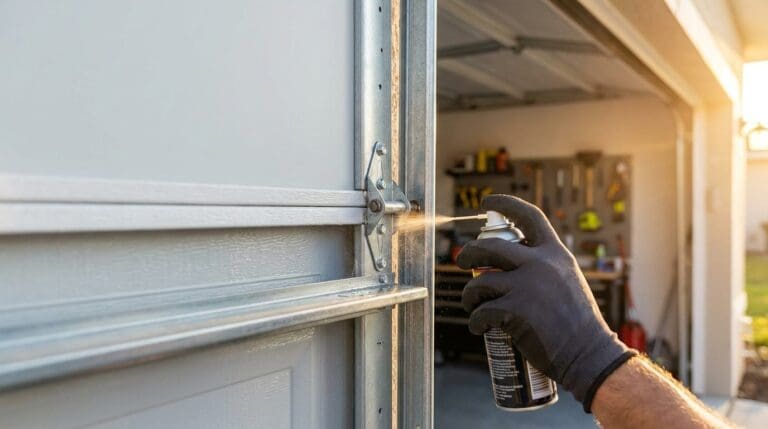
The best door in the world underperforms if the hardware rusts out around it. In our humidity, prioritize corrosion-resistant components: galvanized springs, nylon rollers, and coated or stainless hinges and fasteners. High-cycle springs are also worth the small upgrade, since they last significantly longer than standard ones — a real advantage in a climate that’s already hard on metal.
Windows, Color, and Curb Appeal
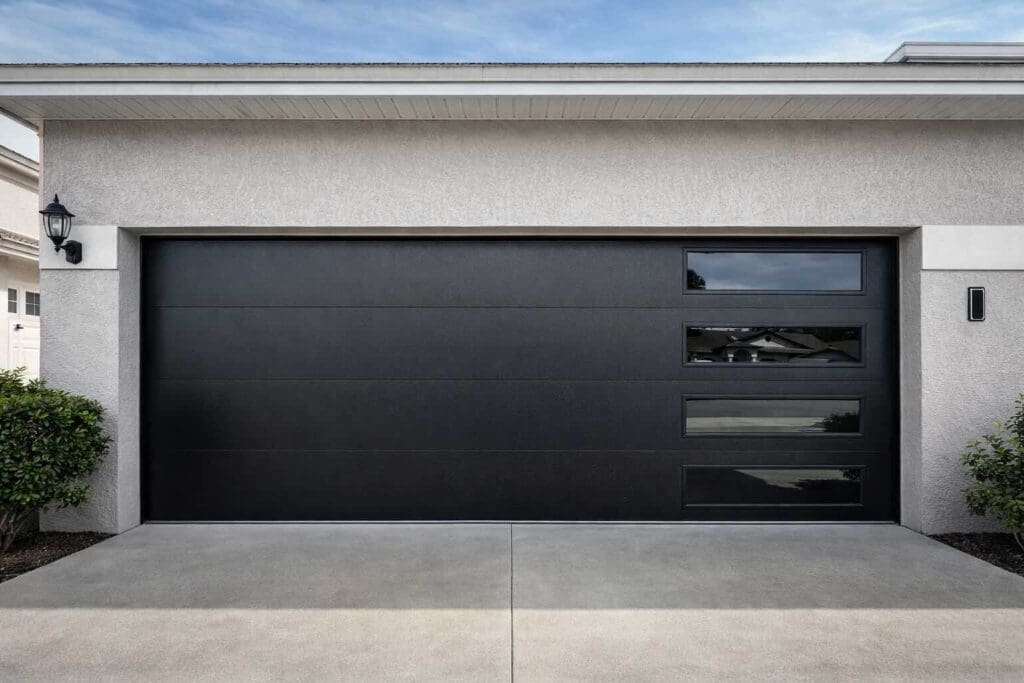
Aesthetics still count, but make climate-smart choices. If you add windows, choose impact-rated glass in a wind zone. Lighter colors absorb less heat than dark ones, which helps on the hottest days. And look for finishes rated to resist UV fading so your door still looks new after a few Florida summers.
Why Professional Installation Is Non-Negotiable
A wind-rated door only performs if it’s installed to code — with the right anchoring, reinforcement, and hardware. Professional installation also means the product approval and permitting are handled correctly, which protects both your safety and your warranty. As a licensed Florida General Contractor (DBPR), we make sure your new door is both the right choice for our climate and installed the way the code requires.
Frequently Asked Questions
Do I really need a wind-rated door in Central Florida? Wind-load requirements apply beyond the coast, and a properly rated door is one of the smartest storm-season investments you can make for your home. A licensed installer can confirm the rating your address requires.
Are insulated doors worth it in Florida? Yes — mostly for heat, not cold. Insulation keeps the garage cooler, protects your belongings, and eases the load on nearby AC.
What’s the most durable material for our climate? Insulated, coated steel is the best all-around value, with fiberglass or composite a strong option in the most humid, salt-exposed areas.
Do you handle permits and code compliance? Yes. We’re a licensed Florida General Contractor and manage installation to code.
Choosing the Right Door — We’ll Help
Picking a garage door built for Florida’s climate is easier with someone who installs them here every day. Our team guides homeowners through materials, wind ratings, and insulation across the region — including garage door installation in Clermont and dedicated service for Windermere homeowners. Call our Clermont location at 352-717-9531 to talk through options.
We’ve served Central Florida since our Clermont location opened in 2018, backed by our Kissimmee headquarters’ 8+ years in business, 24/7 availability, and a 1-Year Guarantee.