Insulating your garage door is one of the most effective ways to boost your home’s energy efficiency, comfort, and noise control—especially in a warm, humid climate like Orlando, FL. By reducing heat transfer between your garage and the outdoors, proper insulation helps stabilize indoor temperatures, lower energy bills, and create a more comfortable environment throughout your home. In this guide, we’ll break down the key factors to consider when choosing the right garage door insulation for Florida homes.
Garage door insulation materials vary widely in performance, cost, and installation complexity. Understanding the strengths and limitations of each option—such as polystyrene, polyurethane, reflective foil, and fiberglass—will help you select the best fit for your climate and budget. Each material offers different levels of thermal resistance, durability, and noise reduction.
Beyond material type, it’s important to evaluate the insulation’s R‑value, how it performs in Orlando’s heat and humidity, and how it affects the overall look and feel of your garage door. These factors play a major role in long‑term performance and energy savings.
Choosing the right insulation can dramatically improve comfort, reduce noise, and enhance your home’s efficiency. Partnering with a professional team like Garage Door Experts in Orlando ensures your insulation is installed correctly for maximum durability and performance.
Understanding Different Garage Door Insulation Materials
When choosing the best insulation material for your garage door, it’s essential to familiarize yourself with the different types available. These materials vary in terms of installation complexity, energy efficiency, and cost.
- Polystyrene: Lightweight and water-resistant, polystyrene is a common insulation material that can be easily cut to fit between your garage door panels. However, it offers lower insulation effectiveness (R-value) compared to other materials.
- Polyurethane: Polyurethane is a high-density foam insulation that offers excellent thermal performance. This material is ideal for garage doors due to its impressive R-value, air-tight sealing, and structural reinforcement properties.
- Reflective Foil: Consisting of foil sheets laminated to a backing material, reflective foil insulation helps to minimize radiant heat flow. This option is typically more challenging to install and may not provide the same level of insulation as other materials.
- Fiberglass: Fiberglass insulation combines glass fibers with a polyester or acrylic binder. While it can provide good thermal performance, it requires a vapor barrier to protect against moisture, and installation can be more time-consuming.
Assessing Insulation R-Value
The R-value of insulation refers to its ability to resist heat flow. The higher the R-value, the better the material’s insulating properties. When selecting insulation for your garage door, it’s important to choose an option with a suitable R-value for your home’s specific needs and environmental conditions.
To determine the appropriate R-value for your garage door, consider factors such as local climate, the orientation of your home, and the level of insulation present in the rest of your home.
Considering Environmental Factors and Aesthetics
In addition to the type of insulation and R-value, it’s important to account for external factors that can impact the performance and appearance of your garage door. These factors include:
- Climate: Consider the climate in Orlando, FL when selecting your garage door insulation. Warmer climates may require a lower R-value insulation, while colder regions may benefit from a higher R-value material.
- Moisture Resistance: Certain insulation materials may be more resistant to water and moisture. Make sure you select a suitable material for your garage door, especially if you live in areas prone to high humidity or heavy rainfall.
- Aesthetic Appeal: The appearance of your garage door plays a significant role in your home’s overall curb appeal. When choosing insulation, ensure the material complements your door’s design and adds to your home’s exterior aesthetic.
Professional Installation for Optimal Performance
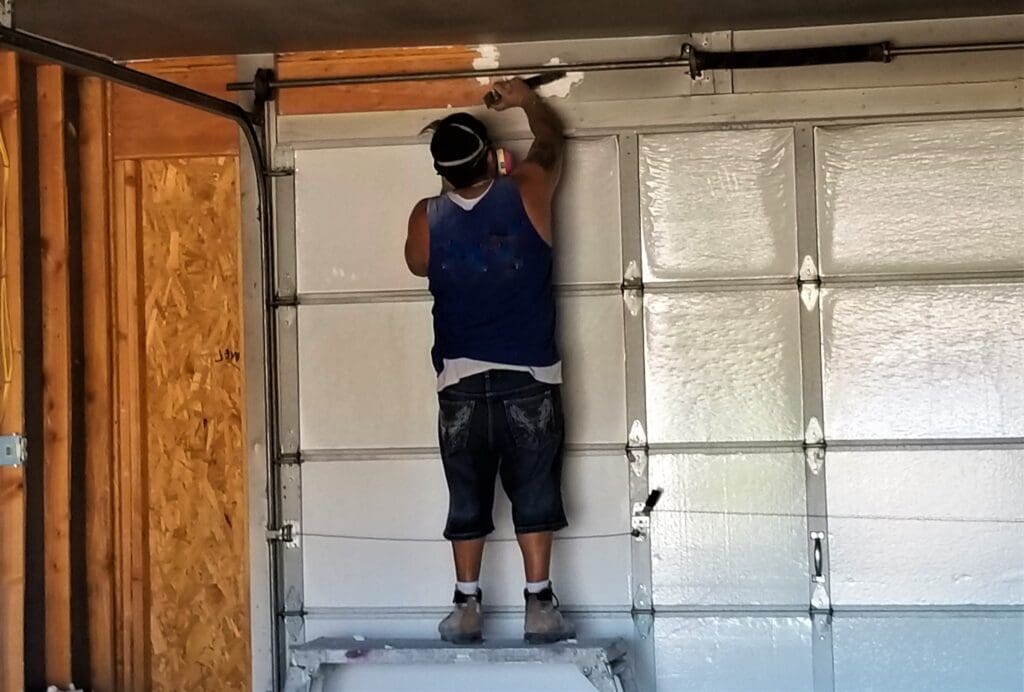
The proper installation of garage door insulation is essential to achieving the best results in terms of energy efficiency, temperature regulation, and noise reduction. Opt for professional garage door specialists with experience in insulation installation to ensure the material is fitted correctly and securely.
A skilled team can also provide valuable advice on material selection, R-value considerations, and the necessary maintenance for prolonged performance and durability of your insulated garage door.
Conclusion
Selecting the right garage door insulation is crucial for improving your home’s energy efficiency, comfort, and noise reduction. By understanding the different insulation materials, assessing their R-values, considering environmental factors, and opting for professional installation, you can make an informed decision that enhances your home’s performance and aesthetic appeal.
For expert guidance and services on garage door insulation in Orlando, FL, trust Garage Door Experts. Our skilled professionals can help you evaluate your options and select the ideal insulation material for your home’s specific needs. Contact us today to discuss your garage door insulation requirements and let us assist you in creating a more comfortable, energy-efficient, and secure living space.