A reliable garage door is essential to your home’s safety, convenience, and daily functionality—but even the best systems experience issues over time. From worn springs to noisy operation, many common garage door problems start small and gradually worsen if left unaddressed. This guide breaks down the most frequent garage door issues homeowners face and offers practical maintenance tips to keep your system running smoothly, extend its lifespan, and help you avoid costly repairs.
Routine maintenance is one of the most effective ways to prevent minor concerns from turning into major failures. Problems like damaged tracks, malfunctioning openers, misaligned sensors, and weather‑related wear can compromise both performance and security. By recognizing early warning signs, performing simple upkeep, and knowing when to call in a professional, you can protect your home and ensure your garage door remains safe and dependable.
In the sections ahead, we’ll explore the causes behind these common issues, how to address them, and the preventative steps every homeowner should take. When more complex repairs or expert diagnostics are needed, partnering with experienced garage door specialists like Garage Door Experts in Orlando, FL ensures your system receives the proper care. Let’s dive into the essential knowledge and maintenance habits that will help you keep your garage door operating at its best for years to come.
Recognizing and Addressing Common Garage Door Issues
As a homeowner, it’s important to familiarize yourself with some of the most common garage door issues to be prepared if and when they arise. In this section, we will discuss these issues and explore potential solutions and preventative measures.
1. Worn or Broken Springs:
Garage door springs typically have a limited lifespan and will wear out over time due to regular use. If you notice your garage door struggling to open or close, or if it slams shut suddenly, it could be an indication that your springs need attention. Replacing worn or broken springs is a task best left to professional garage door technicians, as improper handling can cause injury.
2. Damaged Tracks:
Garage doors rely on tracks to guide their movement. If your door is not moving smoothly or appears to be off-kilter, your tracks may be damaged or misaligned. In some cases, minor track adjustments can be made by gently tapping the affected area with a rubber mallet. However, if the damage is severe, professional repair or replacement may be necessary.
3. Malfunctioning Openers:
Various issues, such as faulty wiring, weak batteries, or damaged circuits, can affect the performance of your garage door opener. First, ensure your opener’s batteries are fresh and properly installed. If the issue persists, consult with a garage door professional to diagnose and address the problem.
4. Misaligned Photo-Eye Sensors:
Photo-eye sensors are a safety feature designed to prevent your garage door from closing if an obstacle is in its path. Over time, these sensors can become misaligned or dirty, causing your door to stop or reverse randomly. Cleaning the lenses and ensuring correct alignment can typically resolve this problem.
5. Weather-Related Damage:
Extreme weather conditions, such as heavy rain, snow, or ice, can impact your garage’s performance or cause damage to its components. Regularly inspect your garage door system after inclement weather to identify and address any issues promptly.
Practical Garage Door Maintenance Tips
Proper garage door maintenance is essential for ensuring the longevity and functionality of your system. Here are some practical tips for keeping your garage door in top shape:
1. Visual Inspection:
Regularly examine your garage door’s components, such as springs, cables, tracks, and rollers, for signs of wear or damage. Addressing minor issues before they escalate can help prevent more significant problems and costly repairs.
2. Lubrication:
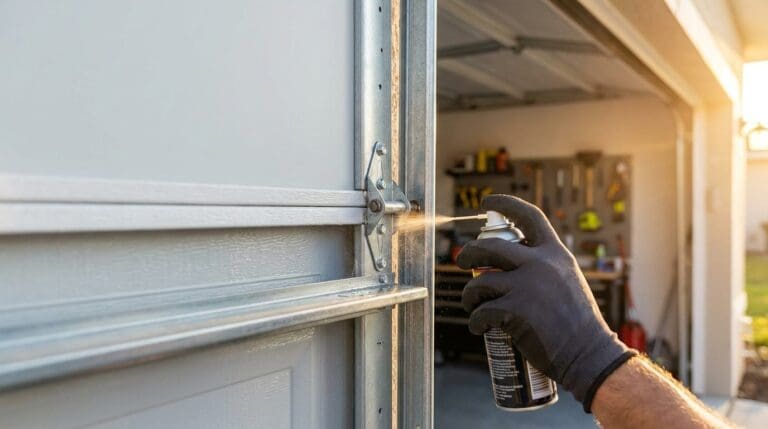
Keeping your garage door’s moving parts well-lubricated can significantly reduce noise and wear. Use a high-quality garage door lubricant on your rollers, hinges, tracks, and springs at least twice a year to help prolong their lifespan.
3. Cleaning:
Clean your garage door’s exterior surface to remove dirt, grime, and debris and prevent potential damage to the finish. Additionally, ensure your photo-eye sensors are clean and free of obstructions to avoid improper operation.
4. Weatherstripping Maintenance:
Inspect and replace your garage door’s weatherstripping regularly to ensure proper insulation and protection from the elements. This can help improve energy efficiency and protect your garage’s contents from weather-related damage.
5. Test Safety Features:
Periodically test your garage door’s safety features, such as the photo-eye sensors and auto-reverse function, to ensure they continue to work effectively. This can help prevent accidents or injuries while using your garage door.
When to Consult with Garage Door Professionals
While some garage door maintenance tasks can be performed by homeowners, more complex issues or repairs should be entrusted to experienced professionals. An expert garage door technician can quickly diagnose problems, recommend the most effective solution, and ensure your system remains safe and functional.
In particular, maintenance and repair tasks involving garage door springs, opener circuitry, or significant structural damage should be left to professionals to avoid potential injury or further damage. Working with a trusted garage door company like Garage Door Experts in Orlando, FL, can give you peace of mind that your door is in the best possible hands.
Conclusion
Regular garage door maintenance is an essential aspect of homeownership, and staying informed about common garage door issues can help prevent problems and prolong the life of your system. By following the practical tips outlined in this guide and consulting with professional garage door specialists like Garage Door Experts in Orlando, FL, when necessary, you can ensure your door remains functional, secure, and safe for years to come.