A garage door that works smoothly isn’t just a convenience — it’s a key part of your home or business’s security. But because garage doors rely on multiple moving parts, it’s normal for issues to develop over time. The good news is that many common garage door problems can be identified early and fixed with simple troubleshooting steps. Understanding the symptoms and knowing what to look for can save you time, money, and unnecessary stress.
In this guide, we break down the most frequent garage door issues homeowners and business owners face, along with practical tips to diagnose and resolve them. From doors that refuse to open or close, to misaligned tracks, faulty sensors, and unresponsive remotes, we’ll walk you through the essential checks you can perform safely on your own. Addressing these problems quickly helps prevent security risks and keeps your garage door operating reliably.
We’ll also cover another common complaint: noisy garage doors. Excessive noise often points to worn rollers, loose hardware, or a lack of proper lubrication. You’ll learn how to inspect these components and carry out simple maintenance tasks to reduce noise and extend the life of your system.
Finally, we’ll touch on one of the most critical components of any garage door: the springs. Damaged or broken springs can be dangerous and should never be handled without proper training. We’ll explain the warning signs to watch for and why calling a professional — like Garage Door Experts in Orlando, FL — is the safest choice when dealing with spring-related repairs.
By the end of this article, you’ll know how to spot common garage door problems, what you can fix yourself, and when it’s time to bring in an expert.
Garage Door Won’t Open or Close: Troubleshooting Tips
A garage door that fails to open or close can be incredibly frustrating and pose a potential security threat. To get your garage door functioning correctly, consider the following troubleshooting tips.
Check the Sensors: Modern garage doors come equipped with safety sensors that prevent the door from closing if there’s an obstruction in the path. Ensure the sensors are clean, properly aligned, and nothing is blocking the garage door from closing.
Inspect the Tracks: A misaligned track can disrupt the smooth operation of your garage door. Visually inspect the tracks to ensure they’re straight and aligned. If you notice any bends or damage, use a rubber mallet or woodblock to gently tap the track back into place. Make sure you use a level throughout the process to maintain accuracy.
Remote Control Issues: If your garage door doesn’t respond to the remote control, try replacing the batteries and ensure the device is in range. If the problem persists, reprogram the remote or consider purchasing a new one. Also, check the wall switch to verify if it is operating the door correctly, as a faulty wall switch may also contribute to the problem.
Examine the Garage Door Opener: Electric garage door openers can sometimes malfunction or become disengaged from the door. In this case, refer to your owner’s manual to troubleshoot the issue and re-engage the opener if necessary.
Silencing a Noisy Garage Door
A loud, squeaky garage door can be annoying and disruptive. Fortunately, there are several ways to address the issue and quiet down your garage door.
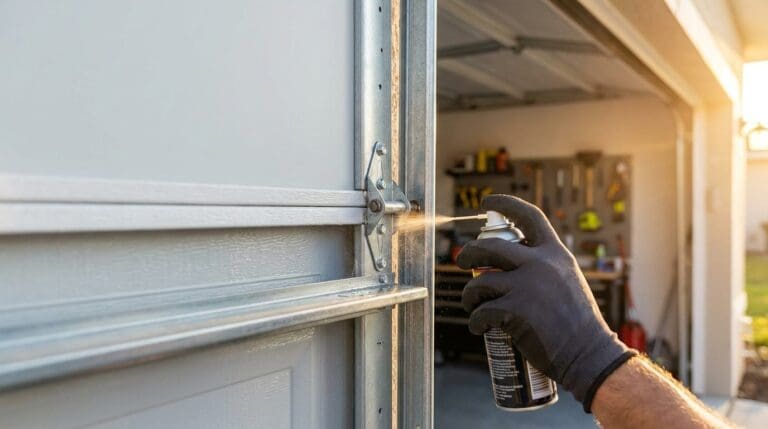
Lubricate Moving Parts: Regularly lubricate the moving components of your garage door, such as rollers, hinges, and tracks, to reduce friction and noise. Use a high-quality silicone or lithium-based lubricant for optimal results.
Inspect and Replace Worn Rollers: Worn or damaged rollers can contribute to a noisy garage door. Inspect the rollers for signs of wear or damage and replace them with nylon, or other quieter alternatives if necessary.
Tighten Loose Hardware: Over time, the nuts, bolts, and screws in your garage door system can loosen, causing noise and instability. Check and tighten all hardware using a wrench or socket, but be careful not to overtighten.
Check the Opener Chain: If your garage door opener has a chain, inspect it for proper tension, as a loose chain can create excessive noise. Adjust the chain tension according to the manufacturer’s recommendations.
Understanding Garage Door Springs and Their Issues
Garage door springs counterbalance the weight of the door, allowing it to open and close with ease. There are two primary types of garage door springs: torsion springs and extension springs.
Torsion Springs: These springs are mounted above the door and use torque to lift the door. They’re often found in heavier, commercial doors and require professional assistance when repairs are needed.
Extension Springs: Commonly found in residential garage doors, extension springs are located on either side of the door and extend horizontally when the door is closed. While they may be easier to repair or replace, it’s still crucial to consult a professional due to the potential dangers associated with handling springs.
If you notice the following symptoms, it could indicate a problem with your garage door springs:
– Difficulty in opening or closing the door
– The garage door appears crooked or off-balance
– A loud snapping noise during operation
– Visible gaps or damage in the springs
Attempting to repair or replace garage door springs yourself can be extremely dangerous if you don’t have the necessary experience and tools. A professional garage door repair service like Garage Door Experts in Orlando, FL, will safely and efficiently handle any spring-related issues.
The Importance of Regular Garage Door Maintenance
Routine maintenance can extend the lifespan of your garage door and prevent potential issues. Conduct regular visual inspections for any signs of damage and hire a professional garage door service to assist you in maintaining your system. Employing a preventive maintenance approach can save you from costly repairs down the line and ensure your garage door operates efficiently and safely.
Conclusion
Garage door problems can range from simple fixes to complex issues that require professional intervention. In this article, we’ve explored some common garage door problems, their symptoms, and how to troubleshoot them yourself. However, it’s important to remember that some matters necessitate the expertise of a qualified garage door repair service like Garage Door Experts in Orlando, FL. With regular garage door maintenance and prompt attention to any issues that arise, you can ensure your garage door continues to provide years of reliable service.